
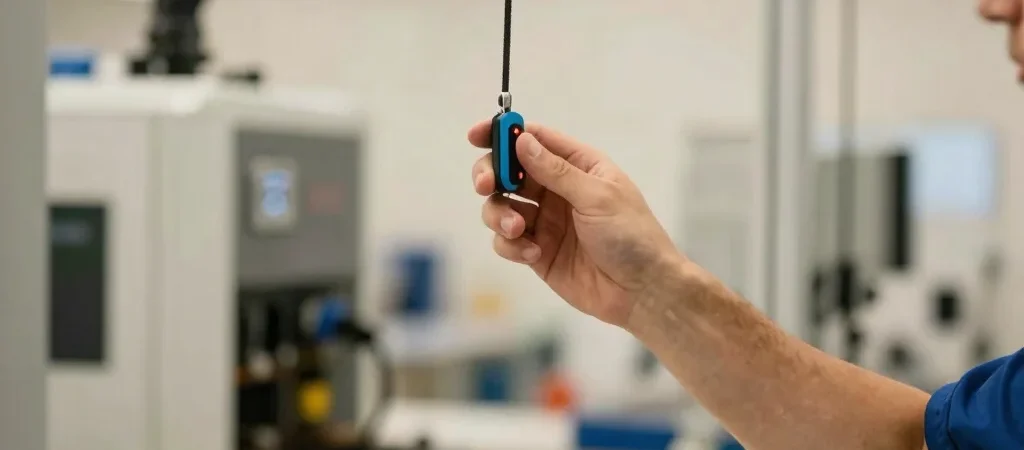
A worker spots a problem on an assembly line: a part does not fit as expected, or a step cannot be completed correctly. If the issue stays quiet, the next station may inherit it and the repair becomes harder to trace. Toyota’s andon system is designed to make that moment visible while there is still time to respond.
A signal, not a shortcut
Andon gives workers a way to signal that they need help with a production problem. A visible indicator lets team leaders identify where attention is needed, rather than relying on a defect to surface later in inspection. The signal matters because it changes a concern from an individual worker’s private knowledge into information the team can act on.
The response is the system
Raising a signal does not, by itself, fix a process or guarantee that the line will stop. The team needs to assess the issue and respond; if it cannot be resolved in time, production may be halted so the problem does not continue unnoticed. That response depends on workers being able to raise concerns without treating them as an inconvenience.
What happened next
Andon is one part of Toyota’s broader approach to quality and continuous improvement, not a standalone cure for defects. Its value lies in shortening the distance between noticing a problem and addressing it. For any operation, the practical question is whether people have both a clear way to raise an issue and a reliable response when they do.